AIGW Policy Observatory — Global AI Governance and Workforce Transformation Policy Observatory. AIGW Policy Observatory tracks how AI is governed, implemented and absorbed inside real institutions—connecting policy change, implementation evidence and workforce transition.

Independent institutional intelligence on AI adoption

From AI policy to governed implementation.

AIGW Policy Observatory tracks how AI is governed, implemented and absorbed inside real institutions—connecting policy change, implementation evidence and workforce transition.

Policy intelligence·Implementation cases·Workforce diagnostics·Executive briefings

AI Governance Profiles

Global AI Governance Profiles

Country and jurisdiction profiles on AI laws, governance frameworks, institutions, enterprise implications, and workforce readiness.

View all AI governance profiles

Asia-Pacific

China

China flag
CountryReviewed profile
Model
Public-sector-led governance
Regulatory maturity
Advanced

China’s AI governance system is not organized around a single horizontal AI Act. It is a layered governance stack built from cybersecurity, data security, personal information protection, internet information service regulation, algorithm recommendation rules, deep synthesis rules, generative AI service measures, AI-generated content labeling requirements, cross-border data controls, and technical standards. The result is a state-led, security-sensitive, platform-and-data governance model in which AI compliance is closely tied to content governance, data governance, filing or assessment mechanisms, technical labeling, and industrial policy.

Reviewed 2026-09-08View China AI governance profile

North America

United States

United States flag
CountryReviewed profile
Model
Sectoral and standards-led governance
Regulatory maturity
Advanced

The United States remains a high-impact two-level governance jurisdiction: federal executive policy, agency authority, procurement, standards and enforcement operate alongside increasingly consequential state statutes and state attorney-general implementation. There is still no single comprehensive federal AI law, so enterprise exposure depends on federal/state/sector mapping.

Reviewed 2026-09-08View United States AI governance profile

Europe

European Union

European Union flag
Regional blocReviewed profile
Model
Comprehensive AI law
Regulatory maturity
Advanced

The European Union remains the anchor jurisdiction for binding, cross-sector AI governance. Its model is distinctive because it combines a directly applicable regulation, a tiered risk framework, centralized Commission and AI Office oversight for general-purpose AI models, and member-state market surveillance for most AI systems. Since the previous review, the Digital Omnibus on AI has become binding and extended some high-risk implementation dates, while AI Act enforcement and Article 50 transparency obligations began operating on 2 August 2026.

Reviewed 2026-09-08View EU AI Act and AI governance profile

Evidence product

AI Workforce Transition Tracker

A structured evidence product showing how AI is changing real tasks, workflows and roles — and what the evidence actually supports.

29 published Signals6 jurisdictions
Explore the Tracker

Evidence landscape

Primary work change

In useObservedMeasured
Task Compression014
Task Substitution104
Workflow Redesign265
Role Redesign105

Each Signal appears once by its primary work change; the stages show the strength of the public evidence.

Capability diagnostic

AI Fluency & Career Growth Assessment

Measure how effectively you use AI in real work and identify where to develop next.

17–22 minutes · Free · Private

Your report can include

  • Eight-capability development profile
  • Capability landscape
  • Strengths and development priorities
  • Practical 30/60/90-day actions

Developmental and private

For reflection and capability development — not for hiring, promotion, or performance evaluation.

Assess your AI fluency

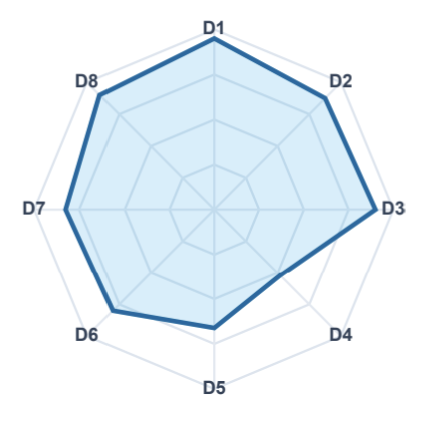
Example report preview

Your developmental profile

Illustrative only

Capability landscape

A pattern to reflect on, not a pass/fail result.

See your capability pattern

Understand where your current AI work practices are strongest and where evidence is still developing.

Identify development priorities

Turn the pattern into focused strengths, tensions, and next priorities.

Build a practical action plan

Use a 30/60/90-day path to move from reflection into deliberate practice.

Profile

Strategic AI Collaborator

Priorities

Verification and transfer

Action path

30 / 60 / 90 days

Implementation Evidence

Implementation Case Library

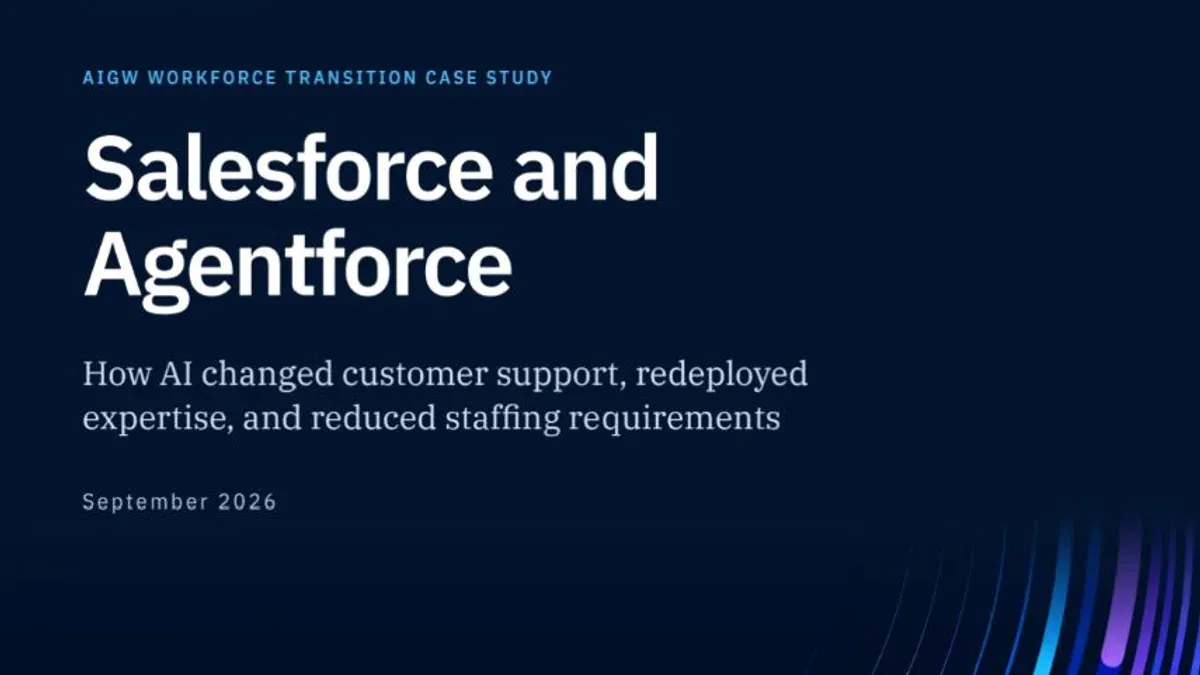
Case-based analysis of how organizations move from AI pilots to governed adoption, workflow redesign, workforce transformation, implementation risk, and institutional capability.

Case Library at a glance3 published casesEnterprise Implementation Case and Risk Case coverageGlobal scopeLatest case signal: May 2026

Institutional research

Featured Research & Publications

Research briefs, reports, and downloadable intelligence assets for AI governance, workforce transformation, and institutional implementation.

All publications
External Publication2026-08-01

What China’s enterprise leaders reveal about the next phase of AI at work

China is becoming an important test case for what comes after AI adoption: how companies redesign processes, develop people and build workforce systems around the technology. The article examines signals from Chinese enterprises, career development research and China’s emerging employment policy response to AI-driven workforce transformation.

AI
Observatory Publication4/24/2026

From AI Pilots to Governed Adoption: Why Institutional Readiness Determines the Next Phase of AI Transformation

As AI adoption accelerates across sectors, the central challenge is no longer access to tools but the ability of institutions to redesign workflows, governance, and workforce systems around them. This flagship brief from the Global AI Governance and Workforce Transformation Policy Observatory examines why many organizations remain trapped in fragmented experimentation and outlines a practical framework for moving toward governed, scalable implementation.

technology

Evidence and Credibility

Built for institutional use

The Observatory combines public policy analysis, implementation cases, workforce evidence, and expert dialogue to produce intelligence that is relevant to institutional decisions.

Review Our Evidence and Approach
  • Independent and public-interest oriented
  • Policy-relevant and implementation-focused
  • Field-grounded and enterprise-informed
  • Built on cases, frameworks, and expert dialogue
  • Focused on governed adoption and workforce transformation
  • Designed for institutional leaders and partners

Institutional Solutions

Work with the Observatory

We work with enterprises, public institutions, and ecosystem partners to translate AI policy and implementation evidence into governed adoption, workforce capability, and institutional learning.

Governance and Policy Briefings

Executive interpretation of regulatory developments, governance expectations, implementation implications, and cross-border policy change.

Enterprise Case-Study Partnerships

Structured documentation and analysis of how organizations move from AI pilots to governed adoption, workflow redesign, and workforce transition.

Institutional Roundtables and Dialogues

Focused expert conversations that surface implementation challenges, emerging practices, and institutional learning.

Workforce Transformation Programmes

Research-backed support for role transition, management capability, workflow redesign, responsible adoption, and workforce readiness.

Cross-Border Research and Co-Publication

Collaborative research on governance systems, institutional adoption, workforce transformation, and implementation evidence across jurisdictions.

Newsletter

Receive Institutional Intelligence

Get AI governance signals, implementation cases, workforce transformation analysis, and new diagnostic releases delivered directly to your inbox.