
AI & Education Policy Dialogue: What Works, What Breaks, and What's Next
Dialogue Brief
Date
March 8, 2026
Time
14:00 UCT
Location
Virtual
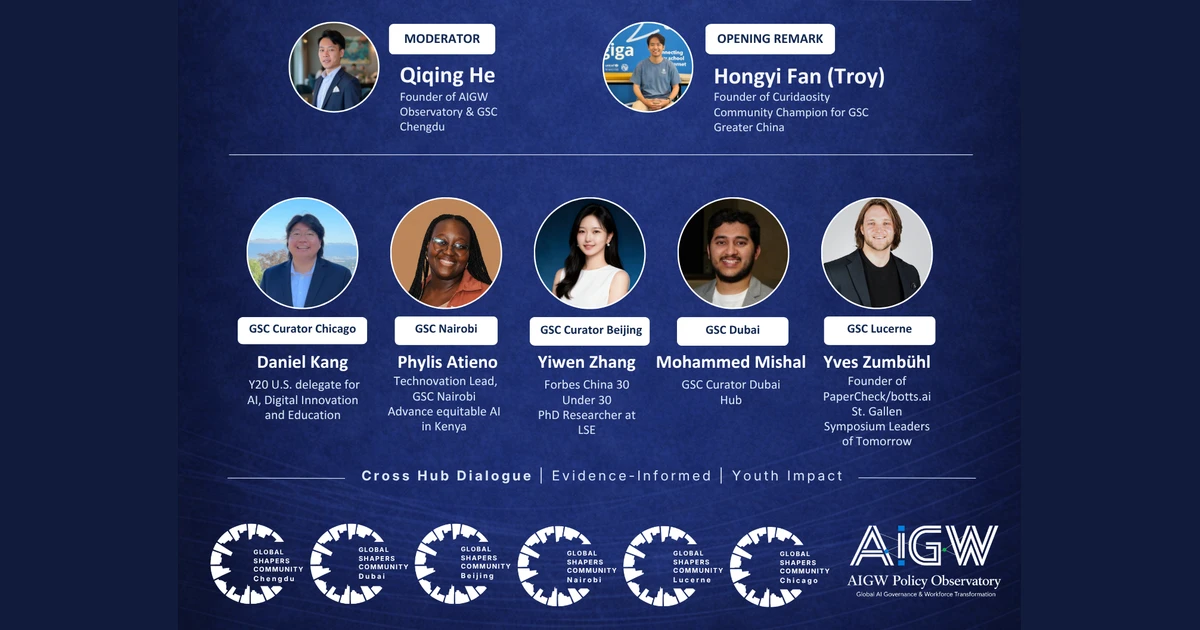
About
Al is moving quickly into education systems, but implementation is uneven —creating avoidable gaps in access, quality, and trust. This dialogue brings cross-context evidence from five hubs to identify what is working, what is breaking, and why—so partners can scale Al in education responsibly and inclusively.
Key Questions:
• What works: Which interventions measurably improve learning, teacher capacity, or system efficiency?
• What breaks: Where do deployments fail (infrastructure, data, teacher readiness, governance)?
• What's next: What policy and implementation moves are "no-regret" across contexts?
Speakers


Registration
The webinar will take place in a virtual format. Please submit your request to attend.
Click here for registrationRelated content
Report
Manual on Effective Mutual Agreement Procedures (2026 Edition)
2 February 2026 • 152 Pages

Policy sub-issue
Dispute resolution in cross-border taxation
1 July 2024 •
Report
Manual on Effective Mutual Agreement Procedures (MEMAP)
6 February 2007 • 55 Pages